What is Body Shaping?
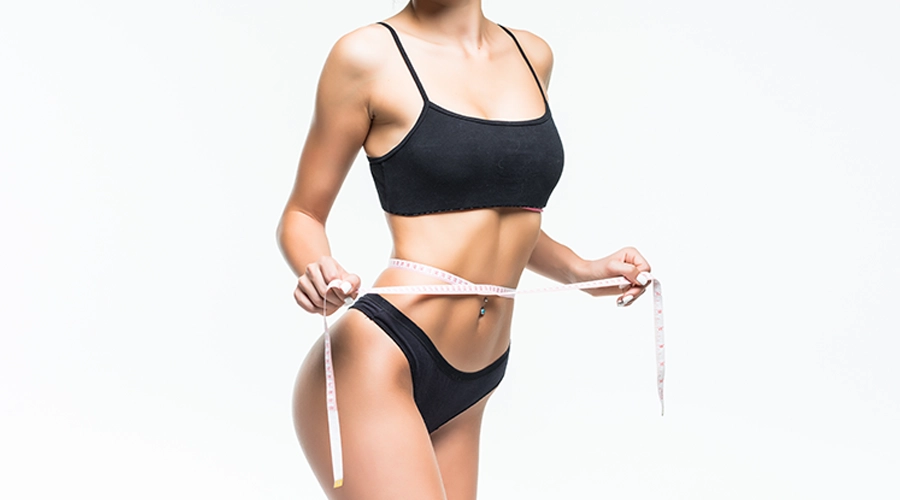
Body contouring is a general term for procedures aimed at creating a more balanced appearance by reducing fat deposits, excess skin, or contour irregularities in specific areas of the body. Body contouring can be performed using surgical and non-surgical methods.
These procedures can target different areas such as the abdomen, waist, hips, buttocks, arms, and thighs. The method to be applied is determined according to the individual’s fat distribution, skin elasticity, and existing anatomical characteristics.
While liposuction reduces localized subcutaneous fat tissue, surgeries like tummy tucks or arm lifts can remove excess skin.
Non-surgical methods may produce more limited contour changes in selected individuals. None of these procedures are comprehensive weight loss methods that can replace healthy eating and physical activity.
What are the purposes of body shaping?
Body shaping is performed to reduce localized fat, correct skin sagging, and create more balanced body proportions. It can be particularly considered to address contour differences that occur due to weight changes or pregnancy.
In some people, fat deposits are more prominent around the abdomen and waist. In others, excess skin may develop after significant weight loss.
The method to be applied will vary depending on the source of the problem. While liposuction may be considered for individuals with only excess fat, surgical skin removal may be necessary in cases of significant skin sagging.
The goal is not for everyone to achieve the same body measurements. Realistic goals should be set, taking into account an individual’s bone structure, muscle mass, and natural anatomical proportions.
Who is body shaping suitable for?
Individuals with localized fat deposits, excess skin, or noticeable contour irregularities may be evaluated for suitable methods. Candidacy for body contouring depends on the individual’s expectations, as well as their overall health and tissue characteristics.
In individuals with relatively stable weight, long-term evaluation of surgical outcomes may be easier. Ongoing large weight fluctuations can affect the achieved contour.
For individuals with good skin elasticity and limited fat deposits, liposuction or certain non-surgical methods may be suitable. However, for those with significant excess skin, facelift surgery may be necessary.
Smoking, diabetes, circulatory problems, and blood clot risks should be evaluated. Safety should be a priority, especially when surgery is planned in multiple areas.
Which areas does body shaping cover?
Body shaping can encompass various areas such as the abdomen, waist, back, hips, buttocks, arms, thighs, and in some cases, the area under the neck. Which areas require treatment is determined in body shaping planning based on individual anatomical characteristics.
Localized fat accumulation or sagging skin may occur around the abdomen and waist. Excess skin may also become more pronounced in the arms and thighs, especially after significant weight loss.
Volume deficiency, asymmetry, or sagging in the hip area can be assessed using various methods. Fat reduction procedures such as liposuction can be applied to the back and hip areas.
However, treating all areas in the same session is neither necessary nor safe. The scope of the procedure should be planned according to the individual’s health condition and surgical risks.
How to Evaluate Body Shape and Proportions?
Body shape and proportions are assessed by examining the anatomical relationships between the waist, hips, shoulders, torso, and legs. Body shaping planning focuses not only on circumference measurements but also on the overall body silhouette.
Bone structure, muscle volume, and fat distribution are key factors that determine body appearance. The same weight or body size can look different on different people.
The examination assesses skin elasticity, degree of sagging, and localized fat deposits. Existing asymmetries and previous surgical scars are also evaluated.
The goal is not to apply a specific size to everyone. A safe and realistic contouring plan should be developed that is appropriate to natural anatomical features.
How does localized fat accumulation affect body contour?
Localized fat deposits can alter the overall silhouette by causing increased volume in specific areas of the body. The amount and location of fat accumulation are important factors in body shaping planning.
Subcutaneous fat tissue can accumulate in varying proportions in the abdomen, waist, hips, and thighs. This distribution is influenced by genetic factors, hormones, and weight changes.
Liposuction can reduce subcutaneous fat deposits. However, it does not eliminate visceral fat tissue surrounding organs in the abdomen.
Furthermore, localized fat accumulation and sagging skin are not the same condition. Fat reduction procedures alone may not correct significantly excess skin. Therefore, the treatment plan should be tailored to the existing tissue characteristics.
How Does Skin Sagging Change Your Body Shaping Plan?
Skin sagging is a significant factor in determining whether fat reduction procedures alone will be sufficient. Skin elasticity and the amount of excess skin must be evaluated in body contouring planning.
In individuals with good skin elasticity, the skin may tighten to some extent after fat volume reduction. However, this capacity is limited in individuals with significant sagging.
Excess skin can accumulate in areas such as the abdomen, arms, and thighs, especially after significant weight loss. In such cases, surgical procedures such as abdominoplasty (tummy tuck), arm lift, or thigh lift may be necessary.
Removing fat alone may make sagging more visible in some patients. Therefore, the appropriate method should be chosen by evaluating both the amount of fat and the quality of the skin.
How to Reshape Your Body After Weight Loss?
Body shaping after weight loss is planned by evaluating the remaining excess skin and localized fat distribution. Body shaping can be applied especially to correct sagging that occurs after significant weight loss.
As weight loss reduces fat volume, previously stretched skin may not always return to its former firmness. Prominent skin folds may form in areas such as the abdomen, arms, thighs, and hips.
In this case, procedures such as tummy tuck, arm lift, thigh lift, or lower body lift may be considered. Liposuction may also be added to the surgical plan for some patients.
Maintaining a relatively stable weight prior to surgery is important. Nutritional status, anemia, and factors affecting wound healing should also be assessed.
Is Postpartum Body Shaping Possible?
Postpartum body contouring can be performed, but the appropriate timing and method should be determined according to the individual’s recovery process. Body contouring procedures may include abdominoplasty (tummy tuck), breast augmentation, or liposuction.
During pregnancy, the skin and abdominal wall of the abdomen can stretch. After childbirth, some people may continue to experience excess skin or loosening of the connective tissue between the muscles.
Breast size and shape can also change during pregnancy and breastfeeding. However, these changes are not the same for everyone.
Before planning surgery, it is important to assess the progress of postpartum recovery, the status of breastfeeding, and the stabilization of weight. Performing multiple procedures together may not be suitable for every patient.
Why is maintaining a stable weight important before body shaping?
Maintaining a stable weight helps ensure the contour achieved after the procedure is preserved more predictably. Ongoing large weight fluctuations prior to body contouring can affect the surgical plan.
Significant weight loss can lead to the appearance of excess skin. Weight gain, on the other hand, can alter fat distribution, affecting the overall appearance.
Therefore, it is preferable for a person to get as close as possible to their sustainable target weight. However, there is no single ideal weight that works for everyone.
In addition to weight management, adequate nutrition and overall health are also important. Factors affecting wound healing should be carefully evaluated, especially in surgeries where extensive skin removal is planned.
What are the body shaping methods?
Body shaping methods can be categorized into two main groups: surgical and non-surgical procedures. The appropriate method for body shaping depends on the amount of fat accumulation and the degree of skin sagging.
Surgical procedures include liposuction, tummy tuck, arm lift, thigh lift, and lower body lift. Some patients may also undergo volume reduction through fat injection.
Non-surgical methods may include controlled cooling, radiofrequency, and specific energy-based treatments. These procedures may provide limited fat reduction or skin tightening effects in selected individuals.
However, non-surgical methods do not surgically remove significant excess skin. The effectiveness, limitations, and potential complications of each method must be evaluated individually.
What is Surgical Body Contouring?
Surgical body contouring involves the surgical removal of excess fat or skin and, where necessary, the reshaping of tissues. Surgical procedures performed as part of body contouring can provide more significant contour changes.
Liposuction is used to reduce localized fat deposits under the skin. Procedures such as tummy tucks, arm lifts, and thigh lifts aim to remove excess skin.
In some surgeries, volume can be added to specific areas using fat injection. However, every procedure carries its own risks.
Surgical procedures can lead to complications such as infection, bleeding, fluid accumulation, wound healing problems, and blood clots. Permanent scarring also varies depending on the type of procedure.
What is Non-Surgical Body Shaping?
Non-surgical body contouring refers to procedures that aim to alter the appearance of fat tissue or skin in specific areas without making surgical incisions. Controlled cooling, radiofrequency, and certain energy-based methods can be considered within the scope of body contouring.
These treatments are generally used for individuals with limited localized fat deposits or mild skin laxity.
However, the changes that can be achieved may be more limited compared to surgical procedures. Some methods may require multiple sessions, and results vary from person to person.
Non-surgical procedures are not entirely risk-free. For example, methods that aim to reduce fat tissue by cooling it can rarely lead to paradoxical fat tissue growth. Therefore, suitability assessment is important.
How is body shaping done with liposuction?
Liposuction is performed by removing localized fat deposits under the skin using thin cannulas. Within the scope of body contouring, it can be used to reshape areas such as the abdomen, waist, hips, back, and thighs.
Before the procedure, fat distribution and skin elasticity are assessed. Then, fat tissue in the designated areas is reduced in a controlled manner.
Liposuction is not a weight loss method and does not remove visceral fat tissue in the abdomen. Furthermore, it cannot correct significant excess skin on its own.
Excessive fat removal can lead to contour irregularities, skin laxity, and complications. Therefore, the amount of fat to be removed should be planned within safe surgical limits.
How is Vaser Liposuction Used in Body Shaping?
Vaser liposuction is a liposuction technique that uses ultrasound energy to facilitate the removal of fat tissue. It can be used during body contouring to reduce subcutaneous fat deposits in specific areas.
In this procedure, ultrasound energy is applied to the fat tissue, and then the fat is removed using cannulas. The technique to be used is determined according to the individual’s fat distribution and surgical plan.
Vaser liposuction, like other liposuction methods, is not aimed at weight loss. It also does not eliminate significant skin sagging or abdominal fat.
The use of ultrasound energy can pose additional risks, such as heat-related tissue damage. Therefore, it should not be assumed that this method is superior to other techniques for every patient.
Body Shaping Prices 2026
The cost of a procedure varies depending on the method used, the number of areas to be treated, and individual anatomical requirements. Therefore, there is no standard price for body contouring in 2026 that can be applied to all patients.
Frequently Asked Questions
How many sizes can you lose with body shaping?
The amount of body shape change that can be achieved depends on the individual’s current fat distribution, excess skin, and the method used. Not everyone is expected to lose the same number of sizes after body shaping.
Is body shaping a weight loss method?
Body contouring procedures primarily aim to achieve localized contouring and are not comprehensive weight loss methods. While fat or skin removal during body contouring may result in changes on the scale, this is not a substitute for obesity treatment.
What is the ideal weight for body shaping?
The appropriate weight is determined based on a person’s height, body composition, health status, and sustainable weight goals. There is no single ideal weight that everyone should reach for body shaping.
Can body shaping be done in a single surgery?
In suitable patients, procedures targeting multiple areas can be performed in the same surgical session. However, it is not mandatory to perform all surgeries within the scope of Body Shaping together.
How many body areas can be shaped at the same time?
The number of areas that can be treated in the same session depends on the scope of the surgery and the individual’s health condition. There is no fixed number of areas that can be considered safe for everyone for body contouring.
How long does body contouring surgery take?
The duration of surgery varies depending on the method used, the areas to be treated, and the scope of the surgery. Within the scope of body contouring, limited liposuction and lifting surgeries involving multiple areas cannot be completed in the same amount of time.
How many days of rest are needed after body shaping?
The recovery period depends on the method used and the individual’s healing status. Recovery processes differ between body contouring surgeries involving limited liposuction and those involving extensive skin removal.
When can you return to work after body shaping?
The return-to-work time depends on the scope of the procedure and the physical demands of the job. Returning to desk jobs after body shaping may be sooner than for jobs requiring heavy physical strength.
How many weeks should a corset be worn after body shaping?
The duration of supportive garment use depends on the procedure performed and the surgical team’s follow-up plan. After body contouring, compression garments may be recommended for some patients to control swelling and provide tissue support.
When does swelling subside after body shaping?
Swelling is usually noticeable in the first few days after the procedure and may gradually decrease in the following weeks. The time it takes for swelling to completely subside after body contouring depends on the method used and the individual’s recovery.