


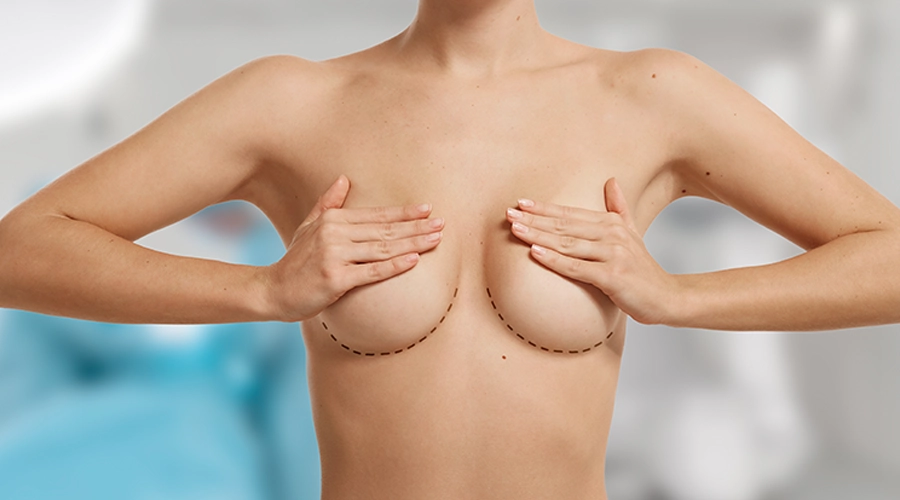
What is Breast Lift Surgery?
Breast lift surgery, also known as mastopexy, is a cosmetic procedure aimed at reducing breast sagging, reshaping excess skin, and repositioning the nipple. It aims to create a firmer and more balanced appearance by reshaping the existing breast tissue.
During surgery, excess breast skin can be removed, breast tissue can be reshaped, and the nipple and areola can be repositioned. The surgical technique used will be determined according to the degree of sagging and the existing breast structure.
Breast lift surgery does not primarily aim to increase breast volume. In individuals with significant volume deficiency, implants or other volume-enhancing methods may also be considered.
The goal of surgery is not simply to lift the breasts. It aims to achieve a natural shape while preserving breast base width, skin quality, and body proportions.
Why is breast lift surgery performed?
Breast lift surgery is performed to reduce sagging that develops in the breasts over time and to reposition the nipple. In suitable patients, breast lift surgery can provide a firmer appearance by reshaping the loosened skin and breast tissue.
Changes in breast volume during pregnancy and breastfeeding, weight gain and loss, and aging can all affect breast shape. Decreased skin elasticity and loosening of supporting tissues can cause the nipple to shift downwards.
Some individuals have sufficient breast volume but noticeable sagging. In such cases, only a breast lift procedure may be considered.
However, if there is significant volume loss in the upper breast area, a breast lift alone may not provide the desired fullness. Therefore, sagging and volume deficiency should be differentiated before the procedure.
Who is a suitable candidate for breast lift surgery?
Individuals with noticeable breast sagging, or those who are self-conscious about the position of their nipples or the shape of their breasts, may be considered for surgery. In adults of suitable general health, breast lift surgery can be planned according to the existing breast tissue and skin characteristics.
Breast volume, skin elasticity, nipple position, and differences between the two breasts are important factors in evaluating a candidate. The same incision or shaping technique is not used for every patient.
The timing of surgery should also be considered for individuals planning a pregnancy in the near future or expecting significant weight changes, as these changes can affect the shape of the breasts after surgery.
Smoking, diseases affecting wound healing, and previous breast surgeries are also important factors. Furthermore, the possibilities of permanent scarring, changes in nipple sensation, and impaired breastfeeding ability should be considered.
What Causes Breast Sagging?
Breast sagging can develop as a result of decreased skin elasticity and changes in the tissues supporting the breast over time. In cases where sagging is significant, breast lift surgery may be considered to remove excess skin and reshape the breast tissue.
Aging, genetic factors, and the long-term effects of gravity can alter breast shape. Growth during pregnancy and subsequent volume changes can also create stretching of the skin.
Weight gain and loss can affect the amount of breast fat tissue. When volume decreases, the previously stretched skin may not tighten to the same extent.
Breast size and skin structure also influence the development of sagging. However, not all large breasts show significant sagging, and sagging can also occur in small breasts.
How is the degree of breast sagging determined?
The degree of breast ptosis (sagging) is assessed by examining the position of the nipple relative to the inframammary fold and the distribution of breast tissue. In breast lift planning, this relationship helps determine the appropriate surgical technique.
In mild sagging, the nipple may be located close to the inframammary fold. In more pronounced sagging, the nipple may shift below the fold.
Some individuals may have noticeable laxity in the lower part of the breast tissue even though the nipple is in a relatively appropriate position. This condition is evaluated differently from true nipple ptosis (drooping).
The degree of sagging cannot be determined by a single measurement. Skin elasticity, breast volume, nipple orientation, and any existing asymmetries should be considered together.
How to Correct Postpartum Breast Sagging?
Breasts, which grow during pregnancy and change in volume after childbirth, can develop skin laxity and sagging. In suitable patients where these changes are permanent, breast lift surgery can be performed to reshape the breast tissue and reposition the nipple to a more appropriate location.
However, breast shape may not be final immediately after birth. Breast volume and tissue characteristics continue to change, especially during breastfeeding.
Therefore, the timing of surgery should be determined taking into account the completion of breastfeeding and the stabilization of breast volume.
In individuals with significant volume loss, a facelift alone may not be sufficient. Whether additional methods such as implants or fat transfer are needed is evaluated according to the individual anatomy.
How does breast shape change after breastfeeding?
During lactation, the mammary glands and tissues associated with milk production undergo volume changes. After lactation ends, some individuals may experience decreased breast fullness and a looser-looking skin. Breast lift surgery may be considered in cases where these changes are significant.
However, breastfeeding is not the only cause of breast sagging. Growth during pregnancy, age, genetic factors, and weight changes also affect breast shape.
While some women largely retain breast volume after breastfeeding, others may experience a significant loss of volume.
For surgical planning, it is important that breast volume has stabilized. This allows for a more accurate assessment of the degree of sagging and the need for additional volume.
Can breast sagging after weight loss be treated?
Significant weight loss can lead to sagging breasts due to a decrease in breast fat and insufficient skin tightening. In suitable patients, breast lift surgery can reduce this appearance by removing excess skin and reshaping the existing breast tissue.
Skin elasticity is just as important as the amount and rate of weight loss. While some people may experience significant skin tightening despite volume reduction, others may retain noticeable laxity.
Volume loss in the upper breast area can also occur after weight loss. In such cases, a breast lift alone may not provide the desired fullness.
Maintaining a stable weight before surgery is important. Large weight fluctuations after surgery can affect the resulting breast shape.
How to Correct Age-Related Breast Sagging?
Changes in skin elasticity and the support properties of breast tissue with age can contribute to sagging. In individuals with significant shape changes, breast lift surgery can create a firmer appearance by reducing excess skin and repositioning breast tissue.
During aging, the distribution of fat and glandular tissue in the breast can change. Decreased skin elasticity can also contribute to the downward displacement of the nipple.
However, not all age-related changes are the same. In some people, volume loss is more pronounced, while in others, skin laxity is more prominent.
Therefore, the surgical plan is not based solely on age. Current breast volume, skin quality, and nipple position are all evaluated together.
How is breast structure evaluated before breast lift surgery?
Before surgery, breast volume, skin elasticity, nipple position, and the inframammary fold are examined in detail. These measurements help determine the appropriate incision and shaping technique for breast lift planning.
The base width of the breast, the distribution of breast tissue in the upper and lower sections, and any asymmetries between the two breasts are evaluated. The amount of excess skin is also important.
Preserving blood flow to the nipple and areola is a fundamental element of the surgical plan. Therefore, tissue reshaping should be done according to individual anatomical characteristics.
Breast health is also assessed before surgery. Imaging techniques deemed necessary may be planned based on age, family history, and current symptoms.
Why are body proportions important in breast lift surgery?
A natural-looking breast shape depends on its harmony with the rib cage and overall body proportions. Therefore, in breast lift planning, not only the height of the nipple but also the base width and existing volume of the breast are evaluated.
The same breast shape can look different in different rib cage structures. Shoulder width, the slope of the chest wall, and the position of the base of the breast all affect this appearance.
Lifting the breasts too high or overly stretching the existing tissues can create an unnatural result.
The surgical goal is not a single standard breast shape. The aim is to create a more balanced breast contour while preserving the individual’s anatomical features.
How is nipple position determined in breast lift surgery?
The position of the nipple is determined by considering anatomical measurements of the inframammary fold and rib cage. During breast lift surgery, the nipple and areola can be repositioned to be compatible with the new breast shape.
Planning involves evaluating the nipple’s current height, orientation, and differences between the two sides. Breast volume and excess skin also influence the target position.
Creating the same nipple height is not appropriate for every patient. Chest structure and breast base width vary from person to person.
It is also important to preserve blood circulation to the nipple. Therefore, the surgical plan should be based not only on aesthetic considerations but also on the safe transfer of tissues.
Breast Lift Prices 2026
The cost of surgery varies depending on the degree of breast sagging, the surgical technique used, and any additional procedures required. Therefore, there is no standard price for breast lift surgery in 2026 that can be applied to all patients.
Frequently Asked Questions
How long does breast lift surgery take?
The duration of the surgery depends on the degree of sagging and the surgical technique used. A breast lift procedure that only reshapes the skin and breast tissue may not be completed in the same amount of time as a combined surgery that also uses implants.
Significant asymmetry or changes resulting from previous surgeries can also affect the duration of the operation. Therefore, there is no fixed duration that applies to everyone.
Is breast lift surgery painful?
The goal of the surgery is to control pain with appropriate anesthesia. Tenderness, tightness, and pain in the breasts may occur after breast lift surgery.
The severity of the discomfort depends on the surgical technique used and the individual’s recovery. Severe and progressively worsening pain, rapidly developing unilateral swelling, significant bleeding, or significant discoloration of the nipple require prompt medical evaluation.
How many days of rest are needed after a breast lift?
The recovery period varies depending on the scope of the surgery and the individual’s daily activities. Swelling, tenderness, and discomfort during arm movement may occur in the early stages after breast lift surgery.
Returning to light daily activities does not coincide with resuming heavy lifting or intense exercise. The recovery plan should be determined based on the condition of the incision sites and the scope of the procedure performed.
When can I return to work after a breast lift?
Return-to-work time depends on working conditions and recovery status. Activity restrictions after breast lift surgery may differ for those who work at a desk compared to those whose jobs require heavy physical movement.
Heavy lifting and repetitive arm movements, in particular, can create tension at the incision sites in the early stages. Therefore, individual recovery should be considered rather than a fixed return-to-work timeframe.
When can I lie on my side after a breast lift?
The timing of returning to lying on your side depends on the healing of the incision sites and the reduction of tenderness in the breasts. It is recommended to avoid applying direct pressure to the surgical areas in the early period after breast lift surgery.
There is no single best day for everyone to choose a sleeping position. Recommendations may differ, especially for individuals with large incisions or additional implants.
When can I exercise after breast lift surgery?
The time it takes to return to sports varies depending on the type of exercise and the extent of the surgery. Light walking and weightlifting or exercises that put strain on the chest area are not activities that can be started immediately after breast lift surgery.
Intense activity in the early stages can increase swelling and create tension at the incision site. Exercise intensity should be increased gradually, taking wound healing into consideration.
Do scars disappear completely after breast lift surgery?
Surgical incisions leave permanent scars after they heal. Following a breast lift, these scars may fade and become less noticeable over time, but they are not expected to disappear completely.
The location and length of scars depend on the surgical technique used. Individual wound healing, skin characteristics, and smoking habits can also affect the appearance of scars.
Are implants necessary for breast lift surgery?
Implant use is not necessary for every patient. In individuals with sufficient existing breast volume, breast lift can be achieved simply by removing excess skin and reshaping the breast tissue.
However, individuals with significant volume loss in the upper breast area may consider implants or other volume-enhancing methods. The decision should be made based on the degree of sagging, breast tissue, and the individual’s expectations.