
What is Mommy Makeover?
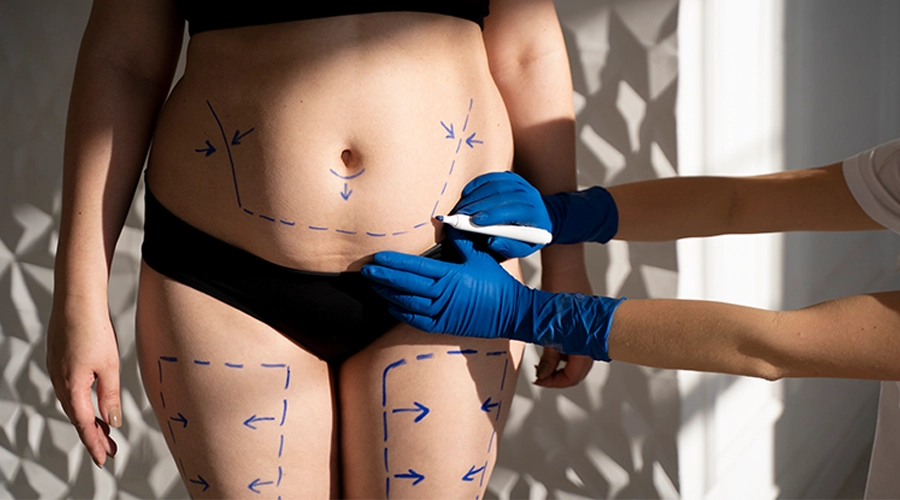
Mommy Makeover is a combination of aesthetic surgical procedures designed to correct body shape changes that occur after pregnancy, childbirth, and breastfeeding. It’s a personalized body shaping approach that focuses particularly on changes in the abdominal and breast areas.
In this context, procedures such as tummy tuck, breast lift, breast augmentation, breast reduction, or liposuction may be considered. However, not every patient needs the same surgeries.
While some procedures can be performed in the same surgical session, for some patients it may be safer to schedule the surgeries at different times.
This approach is not a weight loss method. Surgical planning should consider the individual’s overall health, postpartum recovery, and future pregnancy plans.
What are the purposes of a Mommy Makeover?
Mommy Makeover is performed to correct noticeable changes in the abdomen, breasts, and body contours that occur after childbirth. It aims to address various issues together, such as excess skin, breast sagging, and localized fat deposits.
During pregnancy, the abdominal skin and abdominal wall can stretch. After childbirth, some people may continue to have excess skin or loosening of the connective tissue between the abdominal muscles.
Breast volume and shape can change after breastfeeding and weight fluctuations. Some people experience sagging, while others notice a loss of volume.
The procedures to be applied are chosen according to the type of changes. The goal is not to create the same body measurements for everyone, but to provide contouring that is appropriate to the existing anatomical features.
Who is Mommy Makeover suitable for?
Individuals who have experienced postpartum body changes, are in good general health suitable for surgery, and have a relatively stable weight may be considered for the procedure. Suitability for Mommy Makeover depends on the scope of the desired surgeries and individual risk factors.
Individuals with excess skin in the abdominal area, sagging breasts, or localized fat deposits may have different surgical options.
However, scheduling surgery immediately after childbirth is generally not advisable. The body needs time to heal, breast volume needs to stabilize, and the breastfeeding process needs to be evaluated.
Smoking, diabetes, anemia, blood clotting risks, and previous surgeries should be considered. Performing multiple procedures in the same session can increase surgical risks, so safe planning is crucial.
What surgeries does Mommy Makeover include?
Tummy tucks, breast augmentation, and liposuction are the most frequently considered surgeries under this approach. Mommy Makeover is not a fixed surgical package; the methods used are determined according to the individual’s needs.
During a tummy tuck, excess skin can be removed, and if necessary, loose connective tissue in the abdominal wall can be tightened.
Breast lift, breast augmentation, or breast reduction procedures can be planned according to breast volume and degree of sagging. In some individuals, breast lift and implant use may be considered together.
Liposuction can be used to reduce subcutaneous fat deposits in areas such as the waist, abdomen, or hips.
However, it is not necessary to perform all these procedures in a single session. A staged surgical approach may be preferred, taking into account the duration of the operation and the individual’s health risks.
What changes occur in the body after childbirth?
Postpartum skin laxity, changes in breast volume, and variations in fat distribution may occur in the abdomen. In individuals with significant changes, various surgical methods can be considered as part of the Mommy Makeover program.
During pregnancy, the skin and connective tissues in the abdominal area stretch. In some people, excess skin or a separation between the abdominal muscles known as rectus diastasis may persist after childbirth.
Breast volume can change during pregnancy and breastfeeding. The elasticity of the breast skin and the position of the nipple may also change.
However, the same changes are not seen after every pregnancy. Genetic factors, weight changes, age, and number of pregnancies all affect the body’s recovery process.
How does the abdominal area change after pregnancy?
Because the abdominal skin and abdominal wall are stretched during pregnancy, laxity, excess skin, or abdominal protrusion may occur after childbirth. In individuals where these changes are significant, a tummy tuck surgery may be considered as part of the Mommy Makeover program.
The growing uterus causes the tissues in the anterior abdominal wall to expand. In some people, the distance between the rectus muscles may increase.
Even with weight loss after childbirth, the skin on the abdomen may not fully regain its previous firmness. Skin folds or stretch marks may remain, especially in the lower abdomen.
However, not every abdominal protrusion is caused by excess skin. Visceral fat, abdominal wall laxity, and other anatomical factors should also be evaluated. The appropriate treatment method is determined according to the source of the problem.
How can breast structure change after breastfeeding?
Breast volume changes associated with breastfeeding and pregnancy can lead to loss of fullness, sagging, or changes in shape. Mommy Makeover planning evaluates both the current volume of breast tissue and skin elasticity.
Breast size may increase during pregnancy. After breastfeeding is complete, breast volume may decrease, and the skin may not fully return to its previous firmness.
However, breast sagging is not solely due to breastfeeding. Age, genetic factors, pregnancies, and weight changes also affect breast shape.
Augmentation can be considered for individuals with volume deficiency, and lifting can be considered for those with significant sagging. Implants are not necessary for every patient.
How can the waist and hip area be reshaped after childbirth?
Shape changes in the waist and hip area can be corrected using different methods, taking into account fat distribution and skin elasticity. Within the scope of Mommy Makeover, contouring procedures such as liposuction are most frequently considered for these areas.
Pregnancy and weight changes can lead to noticeable fat accumulation around the waist or hips. However, not all of these changes are solely due to fat tissue.
Liposuction can reduce localized fat deposits under the skin. However, it does not eliminate significant skin sagging or visceral fat in the abdomen.
Therefore, waist and hip shaping should be planned according to individual anatomy. The goal is to balance body proportions while maintaining safe tissue shaping.
How to Plan a Personalized Mommy Makeover?
The surgical plan is developed by considering the changes in the abdomen, breasts, and other body areas, as well as the individual’s overall health. There is no standard combination of surgeries that works for everyone under the Mommy Makeover program.
In some individuals, the primary problem is sagging skin on the abdomen. In others, breast volume loss or significant breast sagging may be the main issue.
Therefore, the procedures to be performed are chosen according to the existing anatomical features. Whether the surgeries will be performed in the same session or in different stages is also evaluated.
Combining multiple surgical procedures can increase surgery time and the risk of complications. Safety should be the priority in planning, regardless of the individual’s expectations.
How to Get a Body Analysis Before a Mommy Makeover?
During a body analysis, the abdominal skin, abdominal wall, breast structure, and regional fat distribution are examined together. In Mommy Makeover planning, the individual’s overall body proportions and tissue characteristics are evaluated.
The amount of excess skin in the abdominal area, the location of the navel, and the presence of rectus diastasis are examined.
Breast volume, skin elasticity, nipple position, and asymmetry between the two sides are evaluated. Fat distribution in the waist and hip areas may also be considered.
The patient’s weight, previous surgeries, and overall health status should also be evaluated. This analysis helps determine which procedures are necessary and how the surgery can be planned safely.
Why is maintaining a stable weight important before a Mommy Makeover?
Maintaining a stable weight helps ensure that the body contour achieved after surgery is preserved more predictably. Ongoing large weight fluctuations prior to Mommy Makeover can affect the surgery plan.
Significant weight loss can lead to increased excess skin. Weight gain, on the other hand, can alter breast size and fat distribution around the abdomen.
Therefore, it is important for a person to get as close as possible to their target weight before surgery. However, there is no single weight value that applies to everyone.
In addition to weight stability, nutritional status and overall health should also be assessed. Sufficient time should be allowed for complete recovery, especially in the postpartum period.
How to Determine Ideal Weight Before a Mommy Makeover?
The appropriate weight before surgery is determined by evaluating the individual’s height, body composition, health status, and sustainable weight goal together. There is no single ideal weight that everyone should reach for Mommy Makeover.
Body mass index can be a general assessment tool, but it is not sufficient on its own. Muscle mass, fat distribution, and comorbidities are also important.
A high body mass index, in particular, can increase the risk of certain surgical complications. However, suitability for surgery is not determined solely by this measurement.
The goal is for the individual to reach a weight that is appropriate for their health condition and that they can maintain in the long term. Surgical planning should be done with this goal in mind.
Is weight loss necessary before a mommy makeover?
Whether weight loss is necessary before surgery depends on the individual’s current weight, health condition, and the planned procedures. Not every patient needs to lose weight for Mommy Makeover.
Individuals whose weight is relatively stable and who are suitable for surgery may not require additional weight loss.
However, in individuals who are significantly overweight or who are continuing to lose weight, postponing the surgery may be considered. The degree of excess skin may change after weight loss, allowing for a more accurate surgical plan.
Rapid weight loss or malnutrition can negatively impact wound healing. Therefore, preoperative weight management should be sustainable and appropriate to the patient’s health condition.
Mommy Makeover Prices 2026
The cost of surgery varies depending on the type, number, and scope of surgical procedures performed. Therefore, there is no standard price for Mommy Makeover in 2026 that can be applied to all patients.
Frequently Asked Questions
What surgeries exactly does Mommy Makeover include?
This approach may include procedures such as tummy tucks, breast augmentation, and liposuction. However, Mommy Makeover is not a fixed combination of surgeries.
While some individuals may only require a tummy tuck and breast lift, others may need breast augmentation or liposuction. Which surgeries are necessary is determined by the individual’s anatomical characteristics.
Can Mommy Makeover be done in a single session?
In suitable patients, multiple procedures can be performed in the same surgical session. However, not all surgeries included in the Mommy Makeover program need to be performed together.
The total duration of the surgery should be determined by evaluating the patient’s overall health and the risk of complications such as blood clots. For some patients, dividing the procedures into different time slots may be safer.
How long does a Mommy Makeover surgery take?
The duration of the surgery depends on the number of procedures performed and the scope of the surgery. A Mommy Makeover procedure involving only two procedures will not be completed in the same amount of time as a more extensive surgical combination.
Tummy tucks, breast augmentations, and liposuction involve different surgical stages. Therefore, there is no fixed surgery duration that can be applied to everyone. Safety assessment is especially important in combinations of lengthy procedures.
How many months should you wait after giving birth for a Mommy Makeover?
The timing of surgery depends on postpartum recovery, breastfeeding status, and body weight stabilization. There is no single waiting period that everyone should follow for Mommy Makeover.
It usually takes several months or even longer for the body to recover after childbirth. The appropriate time should be determined by evaluating the planned procedures and the individual’s health condition.
Is it possible to have a Mommy Makeover while breastfeeding?
It is generally preferred to postpone breast aesthetic surgeries, especially while breastfeeding continues. Mommy Makeover planning should take into account changes in breast tissue volume and the continuation of milk production.
Breast volume may not stabilize during breastfeeding, making surgical evaluation more difficult. Therefore, in most cases, it is preferable to wait until breastfeeding is complete and the tissues have rebalanced.
How long should you wait for Mommy Makeover after breastfeeding ends?
After breastfeeding is complete, it may be necessary to wait a certain period of time for breast volume and tissues to stabilize. The timing of a Mommy Makeover is determined by individual recovery and planned surgeries.
While some individuals may only need to wait a few months, others may require a longer period. It is important that breast volume changes are complete and that overall health is satisfactory.
Is it necessary to reach your ideal weight before a Mommy Makeover?
Ideally, a person should get as close as possible to their sustainable target weight before surgery. However, there is no single ideal weight that everyone should reach for Mommy Makeover.
The key is that the weight is relatively stable and the overall health condition is suitable for surgery. Ongoing large weight fluctuations can affect body contour after surgery.
Can a Mommy Makeover be done on overweight people?
In overweight individuals, surgical suitability is determined by evaluating body mass index and overall health status together. Being overweight is not a definitive barrier to Mommy Makeover in all cases.
However, a high body mass index can increase the risk of complications such as impaired wound healing, infection, and blood clots. Some individuals may be advised to lose weight and stabilize their weight prior to surgery.